
Is Adoption an Option When You Are at the Hospital
- August 28, 2026
- Gift of Life Adoptions
- Adoption Questions, Birth Parents
- No Comments
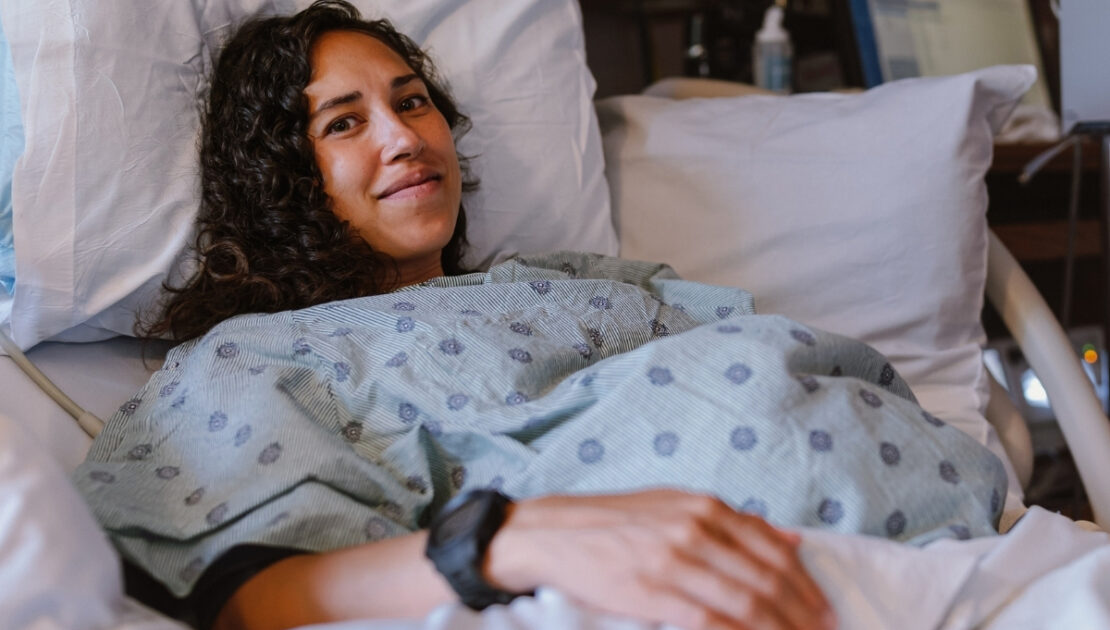
If you are at the hospital, have already given birth, and are wondering whether adoption is still an option, you are not alone.
Some women begin planning an adoption early in pregnancy. Others do not seriously consider adoption until labor begins, after the baby is born, or when they start thinking about what will happen after leaving the hospital.
You may have planned to parent and then experienced a change in your circumstances. You may have hoped that housing, finances, your relationship, or family support would improve before delivery. You may simply be holding your baby and realizing that you are not prepared for parenting in the way you expected.
At Gift of Life Adoptions, we understand how emotional and overwhelming these moments can feel. If you are in a hospital in Florida or Arizona and want to learn about adoption, you can still ask questions and speak with an adoption professional.
You do not need to have everything figured out before reaching out.
It Is Not Too Late to Ask About Adoption
One of the biggest misconceptions about adoption is that a woman has to make an adoption plan months before delivery.
That is not always the case.
Some adoption plans begin very late in pregnancy or after a baby has already been born. If you are currently in the hospital, you can still ask to speak with someone about adoption and learn what the process may involve.
Starting the conversation does not mean you are committing to placement.
You can ask questions, learn about prospective adoptive families, discuss open adoption, and talk about your concerns before deciding what you want to do.
The important thing is that you receive clear information and enough space to think about your decision.
You May Be Asking This Question Because Something Changed
A hospital adoption plan may begin because life looks different than it did a few weeks or months ago.
You may have expected the birth father to help, but he is no longer involved. A family member may have promised you a place to live but changed their mind. You may have lost a job, experienced a relationship problem, or realized that you do not have the childcare or transportation you expected.
Sometimes nothing dramatic changes.
You may simply reach the hospital and realize that parenting feels different when the responsibility is no longer theoretical.
Holding your baby may bring love, fear, uncertainty, and questions you did not expect.
You are allowed to reevaluate your plans.
Changing your thinking after delivery does not mean you failed to prepare. It means you are looking at your circumstances as they actually exist.
You Can Ask for a Private Conversation
If family members or the birth father are with you at the hospital, you may find it difficult to talk honestly about adoption.
You can ask to speak privately with a hospital social worker, nurse, case manager, or adoption professional.
That private conversation can give you a chance to explain what you are thinking without having someone else answer for you.
You may want to talk about adoption without immediately telling your family. You may also want to discuss parenting resources or simply understand what options are available.
Privacy matters because your decision should reflect your own wishes rather than the loudest opinion in the room.
Asking About Adoption Does Not Mean You Have Made a Final Decision
It is completely reasonable to want information before deciding what to do.
You might ask how an adoption works when the baby has already been born. You may want to know whether you can choose the adoptive parents or what an open adoption could look like.
You may also want to understand what happens if you decide to parent instead.
These are all appropriate questions.
A responsible adoption professional should help you understand the process without making you feel as though contacting an agency has already decided the outcome.
You deserve room to think.
You May Still Be Able to Choose the Adoptive Family
If you begin considering adoption from the hospital, you may worry that there will not be enough time to choose a family.
You may still be able to learn about prospective adoptive families and consider which one feels right for your child.
Depending on the circumstances and families available, you may review information about their home, family life, values, community, parenting hopes, and reasons for wanting to adopt.
You may want to know whether they already have children, what kind of extended family support they have, or what their thoughts are about maintaining contact with you.
Tell your adoption professional what matters most to you.
Even if the process begins quickly, your preferences still deserve to be part of the conversation.
Open Adoption May Still Be Possible
Some women at the hospital assume that a last-minute adoption must be closed.
That is not necessarily true.
Depending on the adoption plan and the relationship developed with the adoptive family, some form of ongoing communication may be possible.
That may include photographs, written updates, messages, phone calls, or visits.
You do not need to know immediately exactly what kind of relationship you want.
You may know that you want to remain connected but be uncertain about how often you want contact. You may want frequent updates now and discover that your needs change later.
Talk honestly about what you hope for and what concerns you.
Open adoption works best when expectations are discussed clearly rather than assumed.
You Can Still Spend Time With Your Baby
Considering adoption does not mean you have to separate yourself emotionally from your baby while you are in the hospital.
You may want to hold your baby, feed them, take photographs, or spend quiet time together.
You may want less contact because you feel overwhelmed.
Both reactions can be understandable.
There is no single hospital experience that every birth mother should follow.
You are allowed to tell the people supporting you what you need emotionally.
Spending time with your baby does not prevent you from considering adoption. Wanting some emotional distance does not make you uncaring.
This is a deeply personal experience.
Your Hospital Experience Should Still Respect Your Wishes
Even when adoption was not planned before delivery, you can still communicate preferences about your hospital stay.
You may want certain people present and others kept out of the room. You may want time alone with your baby. You may want to meet prospective adoptive parents or prefer to wait.
You may also have preferences about photographs, keepsakes, naming the baby, or communication with relatives.
Some decisions will depend on medical circumstances and hospital policies, but your wishes should still be heard.
An adoption professional can help communicate those preferences and make the experience feel less confusing.
Your Family May Tell You It Is Too Late to Change Plans
Family members may have expected you to parent and react strongly if you bring up adoption from the hospital.
Someone may tell you that you already brought the baby into the world and now have to raise them. Another person may say that making an adoption decision after delivery is irresponsible or rushed.
Those comments can be painful.
You are allowed to reconsider your plans when your circumstances or understanding changes.
A decision should be based on what you believe is best now, not only what you expected months ago.
You can listen to your family’s concerns without allowing guilt to become the deciding factor.
Family Offers of Help Should Be Considered Carefully
Relatives may respond to an adoption discussion by promising to help you parent.
That offer may be meaningful.
If dependable family support would change what you want, it is reasonable to consider it.
Try to understand what the help will actually involve.
Where will you and the baby live? Who will provide childcare? How long can relatives realistically help? Will they assist financially? What happens if their circumstances change?
A promise made in an emotional hospital room may feel reassuring, but parenting continues long after everyone goes home.
You deserve to consider whether the support is dependable and whether parenting is what you actually want.
The Birth Father May Affect the Adoption Process
The birth father’s involvement can be an important part of an adoption situation.
He may support adoption, oppose it, be unavailable, or have little involvement in the pregnancy.
Tell your adoption professional what you know about him and your current relationship.
Do not assume that a complicated birth father situation automatically prevents you from exploring adoption.
An experienced adoption professional can explain what information may be needed and help you understand what steps apply to your circumstances.
Because every situation is different, it is better to ask qualified professionals rather than relying on assumptions from friends or relatives.
Do Not Make a Permanent Decision Just to Escape a Difficult Moment
Hospital stays can be physically and emotionally intense.
You may be exhausted. Family members may be arguing. The birth father may be creating additional stress. You may be worried about where you will go after discharge.
Those circumstances can make any immediate answer feel appealing.
Try to give yourself enough space to understand what you are deciding.
If you are considering adoption because you feel trapped in the moment, tell your adoption professional.
If you are considering parenting only because your family is pressuring you, say that too.
The goal is not to eliminate emotion. That may be impossible.
The goal is to make sure fear, pressure, or exhaustion are not the only factors driving your decision.
Think About What Happens When You Leave the Hospital
The hospital can feel like its own world, but eventually you will be discharged.
If you are considering parenting, think realistically about what will happen next.
Where will you live? Do you have a safe place for the baby? How will you get to medical appointments? Do you have transportation, childcare, food, diapers, and consistent help?
If you choose adoption, think about where you will recover after delivery and who can support you emotionally.
Both decisions involve life after the hospital.
Your well-being matters after discharge whether you choose parenting or adoption.
It Is Okay if You Are Still Unsure
You may speak with an adoption professional and still not immediately know what you want.
That uncertainty does not mean you are incapable of making a decision.
You may need time to process what you have learned. You may want to look at prospective adoptive families. You may want to speak with someone privately about your parenting options.
You may also feel differently from one hour to the next.
Childbirth can bring powerful emotions.
Give yourself permission to acknowledge uncertainty rather than pretending to feel certain for someone else’s comfort.
You Can Ask What Support May Be Available
If practical concerns are influencing your decision, talk openly about them.
You may be worried about housing, transportation, food, medical care, or your ability to recover after delivery.
Depending on your circumstances and applicable requirements, certain pregnancy-related support or community resources may be available.
An adoption professional can help explain what assistance may apply and what resources may be available to you.
Receiving information or support should not be treated as an obligation to place your baby for adoption.
Your needs matter regardless of your final decision.
Choosing Adoption After Delivery Does Not Mean You Love Your Baby Less
Some women feel ashamed for considering adoption after holding their baby.
You may think that loving your child should automatically make parenting possible.
Love and readiness are not always the same thing.
You can love your baby deeply and recognize that your current circumstances are not what you want for them.
You may want your child to have stability, consistent housing, emotional security, opportunities, or support that you do not believe you can provide at this time.
Considering adoption does not erase your love.
For many birth mothers, love is one of the reasons they are willing to consider such a difficult decision.
You May Feel Many Emotions at the Same Time
If you choose adoption, you may experience grief, love, relief, sadness, confidence, uncertainty, or several emotions at once.
There is no required emotional response.
Feeling devastated does not automatically mean the decision was wrong.
Feeling some relief does not mean you did not love your baby.
You may feel secure in your choice one day and struggle the next.
Post-placement emotions can change over time, and support should continue after the hospital experience is over.
You Should Understand What Happens Next
Before moving forward, ask your adoption professional to explain each part of the process clearly.
You should understand what decisions you are making, what paperwork is involved, what the next steps are, and who you can contact if you have questions.
If you do not understand something, ask again.
Do not sign or agree to something simply because you feel embarrassed about asking for clarification.
Adoption is an important decision, and you deserve information you can understand.
Your Decision Should Be Yours
Perhaps the most important thing to remember is that you should not be pressured toward either adoption or parenting.
Your relatives may have strong opinions.
The birth father may have strong opinions.
Other people may tell you what they would do in your situation.
They are not living your life.
You deserve the chance to consider your circumstances, understand your options, and make an informed decision.
Support should help you hear your own voice more clearly, not replace it.
You Can Ask for Adoption Help From the Hospital
If you are currently at the hospital and wondering whether adoption is still an option, you can reach out and begin with a conversation.
Gift of Life Adoptions provides confidential and compassionate support to expectant mothers and birth mothers throughout Florida and Arizona, including women who begin exploring adoption after labor or after their baby has already been born.
Our experienced team can listen to what you are facing, explain your options, discuss prospective adoptive families, answer questions about open adoption, and help you understand what may happen next without judgment or pressure.
You do not need to have an adoption plan already prepared, and you do not need to know exactly what you want before calling.
Contact Gift of Life Adoptions today to speak privately with a caring adoption professional and learn what options may be available to you and your baby while you are still at the hospital.